

Beyond the Beach: 10 Active Honeymoon Ideas That Still Feel Romantic
-

- August 14, 2026

An active honeymoon does not have to mean choosing between romance and adventure. For couples planning their perfect getaway, the right blend of excitement, discovery, connection and relaxation can create memories they will cherish for life.
Across the world, the most memorable honeymoon spots offer more than beautiful scenery. They give newlyweds the chance to share something unique: a sport they already love, a new skill to learn together or an experience that reveals a different side of the destination.
That might mean a morning padel lesson, a guided hike through the mountains, a cycling route between vineyard towns or a day sailing through clear island waters. The activity should give the honeymoon shape without taking it over.
The best active honeymoons are not endurance tests. There should still be plenty of space for slow breakfasts, comfortable hotels, long dinners, sunset cocktails and days with no timetable.
Quick Answer: What Makes a Good Active Honeymoon?
A well-balanced active honeymoon usually includes:
- One or two experiences you are both genuinely excited about
- An activity level suited to both partners
- Comfortable accommodation worth returning to after a busy day
- Defined activity blocks rather than a full timetable
- Alternative plans when weather or energy levels change
- Enough unplanned time for the trip to feel romantic
- Appropriate insurance for every planned sport or excursion
- At least one complete rest day during a longer honeymoon
| Honeymoon idea | Best for | Typical intensity | Ideal rhythm |
|---|---|---|---|
| Padel and spa | Sociable couples and racket-sport players | Moderate | Morning play, relaxed afternoon |
| Hiking and scenery | Nature lovers and photographers | Adjustable | Alternate trail and recovery days |
| Cycling and food | Couples who enjoy slow exploration | Adjustable | Short ride followed by a long lunch |
| Sailing and island hopping | Sea lovers and privacy seekers | Low to moderate | Active mornings and quiet anchorages |
| Surfing | Couples learning something together | Moderate | Lessons on selected days |
| Skiing and spa | Winter weddings and mountain lovers | Moderate to high | Ski mornings with a rest day |
| Diving and snorkelling | Marine-life enthusiasts | Moderate | Guided water days separated by downtime |
| Safari and walking | Wildlife-focused travellers | Low to moderate | Early activity and quiet afternoons |
| Wellness and movement | Couples prioritising recovery | Gentle | Yoga, swimming and spa time |
| Active city break | Food, culture and short-haul travel | Gentle to moderate | Morning activity followed by city time |
Five Rules for Planning an Active Honeymoon
1. Book One Main Activity Block Per Day
A morning lesson or half-day excursion leaves enough room for lunch, the pool and spontaneous plans.
Booking demanding activities in both the morning and afternoon can make the honeymoon feel like a training camp. One meaningful experience usually offers better value than a packed schedule neither partner has the energy to enjoy.
2. Be Honest About Different Fitness Levels
One person’s relaxed ride may be the other’s endurance challenge.
Look for activities and honeymoon destinations that can be adjusted through:
- E-bikes
- Private instruction
- Separate coaching groups
- Shorter hikes
- Guided beginner sessions
- Optional rest periods
- Non-participating partner alternatives
3. Choose a Hotel You Would Still Want Without the Activity
Weather, fatigue or a minor injury can change the itinerary.
The accommodation should remain appealing because of its rooms, food, pool, gardens, spa, beach or location, not only because it sits near a court, trail or marina. A boutique hotel, private villa or luxury resort with a balcony and memorable scenery can preserve the romantic atmosphere even when plans change.
4. Alternate Active and Slow Days
A seven-night honeymoon rarely needs seven scheduled activity days.
Three or four active days, two gentler days and some unplanned time usually create a more enjoyable pace. The slower days often provide the best chance to explore local towns, visit restaurants or simply spend time together.
5. Protect Time Together
Even when you choose separate lessons or activities, keep at least one meal or part of each day as protected couple time.
The purpose of an active honeymoon is not to pursue two separate interests in the same location. It is to create a sense of togetherness while giving both partners room to enjoy the trip in their own way.

Choosing an Activity by Season and Travel Style
There are active honeymoon possibilities across all four seasons, but no destination offers guaranteed conditions. Climate, altitude, local crowds and seasonal opening times should always be checked before booking.
| Activity | Common trip style | Strong planning window | Main issue to check |
|---|---|---|---|
| Padel | Coastal resort or city break | Spring and autumn in warmer European destinations | Heat, rain and covered courts |
| Hiking | Mountain, island or coastal base | Destination-dependent | Heat, storms, snow and trail access |
| Cycling | Countryside, vineyard or coastal route | Mild-weather months | Traffic, elevation and temperature |
| Sailing | Island or coastal stay | Warmer, calmer sailing periods | Wind, sea state and operator terms |
| Surfing | Atlantic coast or island | Depends on ability and swell | Beach suitability and lesson conditions |
| Skiing | Mountain resort | Winter | Snow, visibility and insurance |
| Scuba diving | Island or reef resort | Destination-dependent | Sea conditions and flying schedule |
| Safari | Lodge or touring itinerary | Regional dry or wildlife seasons | Heat, rain and access |
| Wellness | Spa, thermal or coastal resort | Year-round | Programme rigidity and facility opening |
| Active city break | European city or city-and-coast stay | Spring, autumn or mild winter | Walking distances and weather |
1. Padel, Beach and Spa
Padel is particularly well suited to a honeymoon because it is social, usually played in doubles and easy to schedule within a defined morning or evening session.
A couple might take a semi-private lesson before lunch, return to the hotel for a pool or spa afternoon, and keep the evening free for dinner. If one partner plays more seriously, separate coaching can be arranged without dividing the entire day.
Padel is also a strong choice for a three- or four-night minimoon before a longer main trip. It works especially well in cities and coastal resorts where court time can be combined with restaurants, history, beaches and nightlife.
Padel Holidays says its trips are selected according to court quality, accommodation, location and the overall experience. Its packages commonly combine hotels with court time, while coaching, racket hire and transfers vary by trip. That wider-holiday test matters on a honeymoon: the hotel should still feel special when neither partner is holding a racket.
Why Padel Works for Honeymoons
- Couples can take lessons together.
- Different playing standards can be accommodated separately.
- One partner can play while the other uses the spa or pool.
- Court time can be concentrated into selected mornings.
- Rackets are often available to hire.
- The sport combines naturally with coastal resorts and city breaks.
- A doubles match provides a shared activity without occupying the whole day.
Spain’s official tourism site highlights destinations including Barcelona, Valencia, Málaga, Marbella and Madrid as places where padel can be combined with beaches, restaurants, culture and wellness. Marbella is also noted for clubs and sports centres with high-end facilities.
Portugal offers another strong blend of sport and relaxation. The Estoril Coast suits couples who want romantic seaside evenings and access to Lisbon, while the Algarve combines padel with beaches, cliffs, golf, villas and coastal scenery.
Illustrative Five-Night Padel Honeymoon
This is a planning example, not a quoted package.
Day 1: Arrival, hotel check-in and dinner
Day 2: Shared morning lesson, pool or spa afternoon
Day 3: Padel-free day with a boat trip, beach or sightseeing
Day 4: Separate or shared coaching, followed by lunch and free time
Day 5: Relaxed social game and special final-night dinner
Day 6: Departure
This provides meaningful court time while protecting most afternoons and one complete non-padel day.
What to Check
- Is the coaching private, semi-private or group-based?
- How are playing levels assessed?
- How far are the courts from the hotel?
- Are rackets and balls included?
- Can one partner book fewer sessions?
- Are the spa, pools and restaurants open during your dates?
- What happens if weather affects outdoor play?
- Does the package include flights or transfers?
2. Hiking with Mountain or Coastal Scenery
A hiking honeymoon can range from gentle shoreline walks to full mountain routes.
The most romantic option is not necessarily the longest or most technically demanding. A scenic half-day trail followed by a spa treatment or unhurried lunch may be more enjoyable than several consecutive days of difficult climbs.
There is no shortage of inspiration. Couples might choose the mountains, lakes and glaciers of New Zealand, rainforest hikes and waterfalls in Costa Rica, ancient temple routes in Japan, or a guided approach to Machu Picchu in Peru. Sri Lanka combines forests, tea-country scenery and coastal relaxation, while European routes can link mountain villages, castles and lakes.
Popular trails may attract significant crowds at peak times. Travelling in a shoulder month, starting early or choosing a less famous route can provide more space and a stronger sense of discovery.
Look for:
- Routes appropriate for both partners
- Reliable route information or professional guides
- Accommodation close to the trail
- Luggage transfers on point-to-point itineraries
- Shorter alternatives if one person needs them
- Weather and emergency plans
- Comfortable footwear worn before departure
Choose the route according to your actual experience rather than the most dramatic photograph on the booking page.
3. Cycling, Vineyards and Long Lunches
Cycling allows couples to explore slowly while still covering more ground than they would on foot.
Couples planning a European route can also explore EuroVelo’s official cycle-route network, which connects 17 long-distance routes across the continent. Individual sections can still be adapted into shorter honeymoon-friendly rides rather than completed as full expeditions.
A strong itinerary might connect villages, vineyard towns, lakes or country restaurants. Provence in France is a natural choice for quiet roads and wine tasting, while Italy offers routes through Tuscany, around Lake Como or between historic towns. A cycling road trip can also pair gentle activity with Michelin-recognised dining, gardens and boutique hotels.
E-bikes can help partners with different fitness levels enjoy the same route without one person feeling hurried.
The most honeymoon-friendly cycling trips often provide:
- Moderate daily distances
- E-bike availability
- Luggage transfers
- Scenic stopping points
- Guided or carefully planned routes
- Comfortable hotels
- Time for food and wine experiences
Check whether the route follows dedicated paths, quiet roads or busy traffic. Also confirm helmet rules, breakdown support and what the trip operator’s insurance covers.
4. Sailing and Island Hopping
Sailing can combine activity, privacy and changing scenery particularly well.
Possible honeymoon settings range from the Amalfi Coast and Mediterranean islands to the clear lagoons of the Maldives or the warm waters of the Caribbean. Some routes include sea caves, hidden beaches and long stretches of sand that are difficult to reach by road.
The experience might involve:
- A fully crewed yacht
- A shared small-group itinerary
- A one-day charter
- Sea kayaking
- Paddleboarding
- Independent island stays connected by ferry
UK travellers considering a charter should review the Royal Yachting Association’s charter checklist, which covers agreements, insurance, security deposits, vessel condition and damage procedures.
Before booking, establish:
- Whether the operator is licensed
- Whether the boat is private or shared
- What level of participation is expected
- Cabin and bathroom arrangements
- How food is handled
- What happens in unsuitable sea conditions
- Whether nights are spent aboard or ashore
- Whether your insurance covers the planned water activities
A single sailing day can also be added to a hotel-based honeymoon without committing to living aboard.
5. Learning to Surf Together
Surfing gives couples a shared challenge and an easy story to remember: both may begin as complete novices, and every successful attempt feels significant.
Portugal offers established surf destinations around Carcavelos, Ericeira, Peniche, the Alentejo coast and Sagres. Further afield, Costa Rica combines Pacific surf with rainforest scenery, while Sri Lanka offers beaches, culture and surf towns. Thailand and other parts of Asia can also suit couples who want to combine beginner lessons with temples, food and tropical relaxation.
For a beginner honeymoon, look for:
- Qualified instructors
- Small lesson groups
- Conditions suitable for beginners
- Board and wetsuit hire
- Accommodation close to the beach
- Flexible scheduling
- Alternative plans when conditions are unsuitable
Avoid booking lessons every day. Learning to surf can be tiring for the shoulders, back and arms, particularly during the first few sessions.
6. Skiing, Glaciers and Spa Time
A winter honeymoon can combine the thrill of mountain sport with atmospheric hotels, fireplaces, snowy forests and spa facilities.
Couples might choose a classic Alpine resort, a quieter lakeside mountain town or a Scandinavian itinerary that combines skiing with the chance to see the Northern Lights. Some destinations also offer glacier scenery, winter hikes and scenic rail journeys.
A balanced week might include:
- Skiing on selected mornings
- One private or small-group lesson
- A full spa afternoon
- One non-ski day
- A scenic train journey or snowshoe walk
- Mountain lunches and relaxed evenings
Winter sports often require additional or specialist insurance. GOV.UK’s winter-sports guidance advises travellers to check activity exclusions, equipment cover and the conditions applying to off-piste skiing. A GHIC or EHIC does not replace insurance or cover costs such as mountain rescue and repatriation.
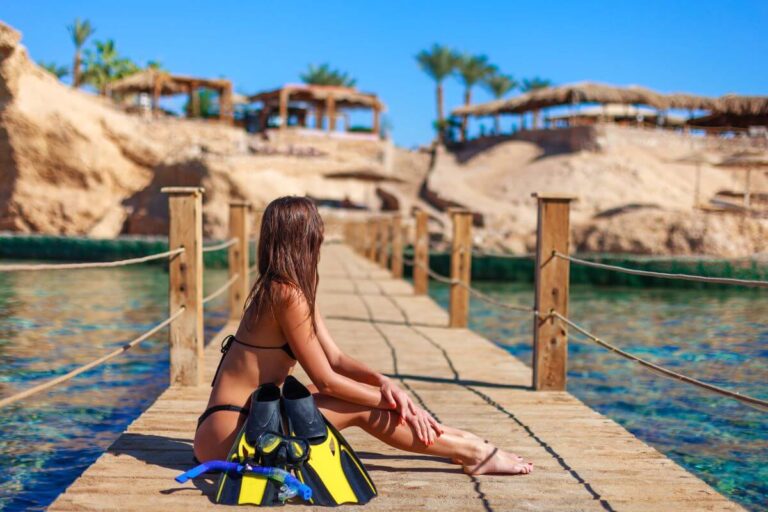
7. Diving and Snorkelling
A diving honeymoon can introduce couples to reefs, marine wildlife, underwater caves and colourful tropical waters.
Popular options include the Maldives, the Caribbean, Thailand and island destinations in the Indian Ocean. The most beautiful spot is not automatically the most suitable for a beginner, so compare conditions, operator experience and medical requirements rather than choosing on photographs alone.
Complete beginners might consider:
- A supervised introductory dive
- A recognised certification course
- Guided snorkelling
- A marine-reserve excursion
- A glass-bottomed boat
- Underwater photography
A full certification course can occupy a significant part of the itinerary. Book it only when both partners actively want the qualification.
Confirm:
- Medical requirements
- Instructor and operator credentials
- Equipment standards
- Insurance
- Sea conditions
- The interval required between diving and flying
Divers Alert Network recommends a minimum pre-flight interval of 12 hours after a single no-decompression dive and at least 18 hours after multiple dives or repeated diving over several days, with longer periods required after dives involving decompression. Follow the dive operator’s guidance and any longer no-fly time shown by your dive computer.
8. Safari and Guided Wildlife Experiences
An active safari is not necessarily physically intense. The excitement may come from early game drives, walking with an experienced guide or travelling between remote parks rather than continuous exercise.
South Africa offers a broad range of safari and coastal combinations. Botswana is known for water-based wildlife experiences around the Okavango region, while Kenya and Tanzania can combine open landscapes with major national parks. Depending on the location and season, travellers may see elephants, big cats, birdlife and animals gathering near a river or water source.
The activity may involve:
- Early game drives
- Guided bush walks
- Canoe excursions
- Birdwatching
- Conservation experiences
- Lodge pools
- Private dinners
- Rest between early starts
A luxury lodge can feel like paradise after a dusty morning drive, but check how much time is spent travelling between locations. An ambitious itinerary can leave couples seeing more roads than wildlife.
9. Wellness with Yoga, Swimming and Gentle Movement
An active honeymoon can prioritise restoration rather than competition.
A wellness-led trip might combine the gardens and thermal traditions of Japan, beachside retreats in Thailand or a quiet European spa hotel. Some couples prefer a private villa or boutique hotel with optional treatments; others enjoy a structured retreat with a set daily programme.
Possible activities include:
- Morning yoga
- Swimming
- Pilates
- Guided walks
- Mobility sessions
- Spa treatments
- Meditation
- Unstructured beach time
Read the programme carefully. A strict timetable may suit people who want guidance, but couples seeking freedom may prefer somewhere that allows classes and treatments to be booked individually.
The best wellness honeymoon creates relaxation and connection rather than turning self-care into another list of tasks.
10. An Active City Honeymoon
A city honeymoon can be energetic without requiring specialist equipment or an isolated resort.
Italy offers history, food and walkable cities, while France combines museums, parks, castles and Michelin dining. Japan and Cambodia can bring temples, gardens and cultural discovery into the itinerary. The right city gives couples plenty to do without forcing them to change hotels or follow a rigid schedule.
Possible morning activities include:
- Padel
- A guided run
- Cycle tour
- Rowing
- Dance class
- Food-market walk
- Urban hike
- Long neighbourhood exploration
The rest of the day can be reserved for museums, restaurants, shopping, rooftop cocktails and nightlife.
This format is especially effective for a three- or four-night minimoon, with a longer honeymoon taken later. A city-and-coast destination can also combine urban culture with beaches, sailing or padel without repeated hotel changes.

Accessibility, Comfort and Different Physical Needs
An active honeymoon should be designed around the people who are actually travelling, not an idealised version of them.
Travellers with disabilities, reduced mobility or other access requirements can consult GOV.UK guidance on disability and travel abroad before comparing transport, accommodation and activity providers.
Before booking, ask providers about:
- Step-free hotel and transport access
- Adapted activity equipment
- Shorter or lower-intensity alternatives
- E-bikes
- Private instruction
- Rest points
- Changing and shower facilities
- Existing injuries or mobility limitations
- Pregnancy restrictions
- Non-participating partner options
Do not rely on a generic statement that an activity is “suitable for everyone.”
Where pregnancy, injury or a medical condition affects participation, speak to an appropriate clinician and the activity provider before committing.
How to Budget Without Surprise Costs
Activity-led honeymoons can include more separate charges than a straightforward hotel-and-beach package.
Build the budget around the full trip:
| Cost area | Questions to ask |
|---|---|
| Accommodation | Is the room, breakfast or board basis included? |
| Flights | Are baggage, seats and airport charges included? |
| Transfers | Are airport and activity transfers covered? |
| Activity | Is coaching, guiding or court time included? |
| Equipment | Is hire included or charged separately? |
| Meals | Which meals and drinks are included? |
| Spa | Are treatments included or optional? |
| Excursions | Must they be booked or paid locally? |
| Insurance | Does the policy cover every activity? |
| Taxes | Are tourist or resort taxes payable locally? |
| Contingency | What happens if weather changes the plan? |
Treat an advertised package price as the starting point rather than the complete honeymoon cost. Comparable organised trips demonstrate why this distinction matters: a package may cover accommodation and core activities while travel, meals, transfers, baggage, insurance and personal spending sit outside the advertised figure.
Compare prices and overall value rather than choosing the lowest headline rate. Ask the provider for a written breakdown of:
- Included services
- Optional additions
- Local payments
- Cancellation conditions
- Weather arrangements
- Separate pricing where one partner books fewer sessions
UK Passport Names After Marriage
Couples leaving soon after the wedding should decide which names they will use for travel before booking flights.
GOV.UK passport guidance for newlyweds and civil partners states that travellers can apply for a passport in a new name before or after the ceremony. A passport issued before the wedding is post-dated and cannot be used until the ceremony has taken place.
Practical options include:
- Travel using the existing passport and book in the existing name.
- Change the passport after the honeymoon.
- Apply before the ceremony for a passport in the new name using the dedicated newlywed or civil-partner process. The passport cannot be used until the marriage or civil partnership has taken place.
Do not book in a new surname while planning to travel on a passport that still carries the previous name.
Travel Insurance for an Active Honeymoon
Buy insurance as soon as practical after booking.
GOV.UK travel-insurance guidance advises travellers to arrange appropriate cover for their full itinerary, existing medical conditions and every planned sport or activity.
Check that the policy covers:
- The full duration of the trip
- Every destination, including transit points
- Pre-existing medical conditions
- All planned sports and activities
- Emergency treatment
- Repatriation
- Cancellation and curtailment
- Equipment where relevant
Some sports and adventure activities require specialist cover or an add-on. GHIC and EHIC cards provide access to eligible state healthcare in certain destinations but do not cover private treatment, mountain rescue or repatriation.
Keep the insurer’s policy number and emergency-assistance details accessible during the trip.

Questions to Ask Before Booking
- Do we both genuinely want this activity?
- Are our experience and fitness levels compatible?
- Can lessons or sessions be booked separately?
- How much unplanned time remains?
- Would we still choose the hotel without the activity?
- What happens in poor weather?
- Is equipment included?
- Are airport and activity transfers straightforward?
- What can a non-participating partner do?
- Does the headline price reflect the likely complete cost?
- Does the insurance cover every activity?
- Have flights been booked in the names shown in our passports?
- Are we planning a honeymoon, or accidentally planning a training camp?
Final Thoughts
An active honeymoon should create stories without creating pressure.
Padel works particularly well because it is sociable, easy to fit into a morning and naturally compatible with beaches, spas and restaurants. Hiking, cycling, sailing and surfing offer different forms of shared challenge. Skiing and safari create more immersive adventures, while wellness and active city breaks provide gentler flexibility.
The best choice is not the activity that looks most impressive online.
It is the one that reflects how you genuinely enjoy spending time together, strengthens your connection and still leaves room to enjoy being newly married.
FAQs
What Is an Active Honeymoon?
An active honeymoon combines a romantic holiday with sport, outdoor experiences, guided adventures or wellness activities.
Is Padel Suitable for a Honeymoon?
Yes. Couples can take shared coaching, book separate sessions for different levels or combine morning court time with beaches, spas and dining. Padel Holidays says its collection includes trips for couples and packages that can combine accommodation with court time and optional extras.
How Many Activities Should We Book?
For a seven-night honeymoon, three or four principal active days are sufficient for many couples. Leave room for weather changes, recovery and spontaneous plans.
Can We Have an Active Honeymoon If Our Fitness Levels Differ?
Yes. Choose adjustable activities such as e-biking, private coaching, shorter hiking routes or multi-sport resorts where each partner can follow a different programme.
Is an Active Honeymoon More Expensive?
It can be, particularly when coaching, guides, equipment and transfers are charged separately. Compare the likely complete cost rather than only the accommodation or headline package price.
Which Activity Is Best for a Short Minimoon?
Padel, a city-based cycling trip, wellness or a guided hiking break can work well because they can fit into a three- or four-night stay without requiring a complex touring itinerary.
Do We Need Specialist Travel Insurance?
Possibly. Check whether the policy covers every sport or adventure activity, as well as medical treatment, repatriation, cancellation and equipment.
Which Name Should We Use When Booking?
Use the name shown in the passport you will travel with. The travel booking and passport must match.