
 ds-1536x1021.jpeg 1536w" />
 When Did Men Start Wearing Wedding Rings? A Tradition with More Than One Beginning
-

- October 5, 2026

A small band, a surprisingly complicated history. The familiar story about soldiers and sweethearts is only part of it.
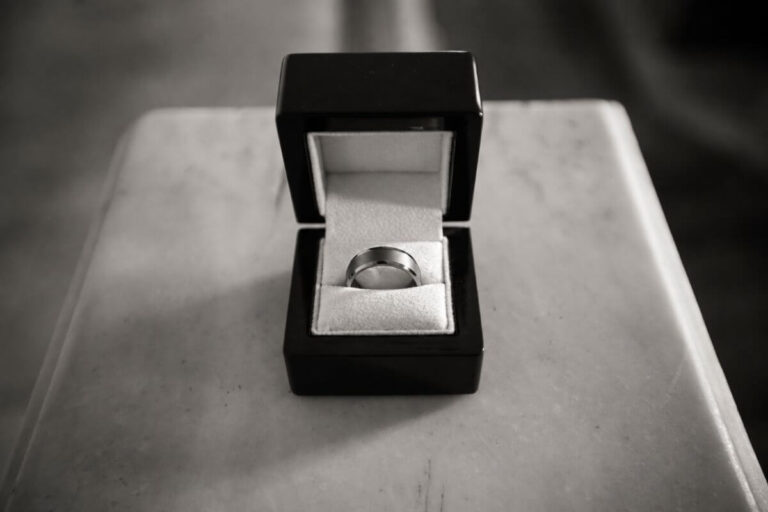
Men did not start wearing wedding rings in one particular year. The custom existed before the Second World War, but became much more established in the United States during the 1940s and the post-war years. That is a story of a tradition becoming popular, rather than the invention of the first man’s wedding ring.
That distinction matters if you are looking at an old family photograph. A grandfather without a ring was not necessarily making a statement about his marriage. A man wearing one before the war was not necessarily ahead of his time. Place, faith and family all belong in the picture.
Before two rings became the familiar picture
Older wedding rituals did not always assume that both partners would receive a ring. In the Church of England’s 1662 marriage service, for example, the man places a ring on the woman’s fourth finger of the left hand. The printed ceremony describes that gift, rather than a mutual exchange. It is evidence for a particular religious practice, not a census of what every married man wore.
A royal wedding before the Second World War
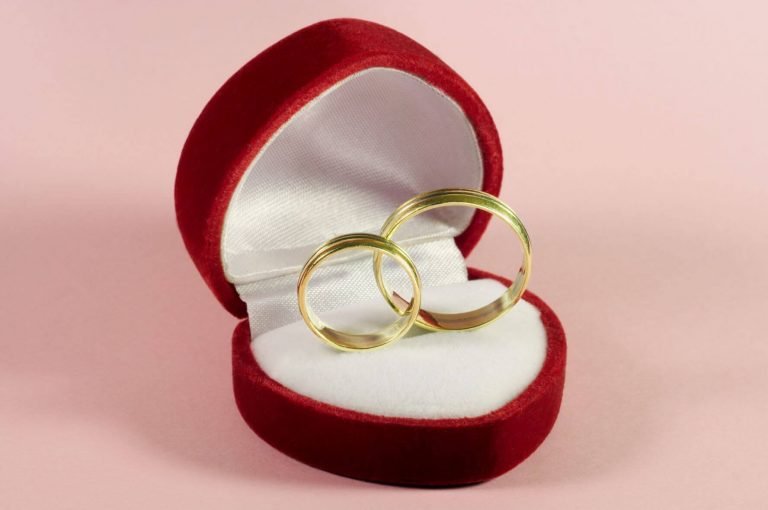
A revealing contemporary example appears in the January–February 1935 issue of Gems & Gemology. Reporting on the Duke of Kent and Princess Marina’s wedding, the journal noted the use of two rings and linked it to the bride’s Greek background. It also described jewellery wholesalers advertising rings for bridegrooms.
The report explicitly treated a groom’s wedding ring as an existing custom with commercial potential. Whatever happened during the war, the idea was already there.
Why the 1940s mattered in America
Historian Vicki Howard’s study of the American double-ring ceremony connects its growth with jewellery marketing, wartime experience and changing ideas about marriage and masculinity. Her research also distinguishes this success from an earlier, unsuccessful attempt to sell engagement rings to men in the 1920s. A man’s engagement ring and his wedding band are related ideas, but they are not the same history.
The useful takeaway is that the modern American custom developed through both personal meaning and commercial encouragement. It cannot be explained solely as a spontaneous choice by soldiers, or solely as an advertising invention.
GIA’s modern account also describes the sentimental importance of wedding bands to servicemen separated from their wives during the Second World War. That helps explain the enduring appeal of the wartime story, without making it a universal starting date.
What this means for your own wedding
We like the freedom in this history. You can value a tradition without pretending that everybody has always followed it in the same way.
Before choosing a band, talk about what you want the exchange to mean. Do you both want a ring? Would you enjoy matching designs, or two very different pieces? Is an inherited ring part of the story? If it is, ask relatives who wore it, when and on which hand; write those details down while someone still remembers.
For a religious ceremony, discuss the exchange with your officiant. The current Church of England service, for example, includes wording for either one ring or an exchange of rings.
And if your next question is where to wear the ring, start with our guide to wedding and engagement ring hands. You will find more ideas in our Rings & Jewellery edition.
Further Reading