

 8x431.jpg 768w" />
 Can Pimple Patches save your Wedding day?
-

- February 18, 2024

Once upon a wedding day in a nearby kingdom, our bride-to-be faced a less-than-magical spell courtesy of a mischievous villain named Pimpleficient. But fear not! In this tale, our hero isn’t a knight in shining armour but a wrinkle patch. Can pimple patches save the (wedding) day? Let the quest for flawless skin begin!
These patches are the antidote to Pimpleficient’s curse, a modern enchantment ensuring our conquer brides’ unexpected blemishes.
So if you have woken up to a big spot on your face and in a panic, let’s discover how to wield this beauty weapon to get the idealistic clear complexion!

What are Pimple Patches?
Pimple patches are small, round stickers that are placed on top of a pimple or acne spot. They are made of hydrocolloid, a type of dressing that helps absorb excess fluid and pus from the pimple while protecting it from external bacteria and preventing further infection. Pimple patches are often used as a spot treatment for acne and can help reduce inflammation, promote faster healing, and prevent picking or touching the affected area.
They absorb the contents of the pimple, help it heal, and also prevent infection and the formation of spots or post-inflammatory hyperpigmentation (PIH).
Do They Really Work?
Yes, pimple patches can be effective in helping to treat and heal pimples. These patches usually contain ingredients like hydrocolloid that help to absorb excess oil and pus from the pimple, which can help reduce inflammation and promote faster healing.
Spot patches can also act as a barrier to prevent picking or touching the pimple, which can further irritate the skin.
What’s in an acne patch?
It varies by brand, and contain a variety of ingredients that help to treat and heal acne. Some common ingredients found in pimple patches to reduce the spot include. hydrocolloid, salicylic acid, tea tree oil, aloe vera, calendula extract, and vitamin E.
But there will be other things to help improve the patch’s adhesion, flexibility, and stability, allowing for effective delivery and absorption of active components. Additionally, they create a protective barrier that helps in the healing process by isolating the pimple from external irritants.
Cellulose Gum:
Role: Acts as a thickening agent.
Effect on Pimples: Provides a smooth and cohesive texture to the patch, allowing it to adhere well to the skin, especially on uneven surfaces created by pimples.
Styrene Isoprene Styrene Block Copolymer:
Role: A synthetic rubber component that enhances elasticity and adhesiveness.
Effect on Pimples: Improves the flexibility of the patch, ensuring it conforms to the contours of the skin, effectively covering and treating the affected pimple.
Polyisobutylene:
Role: Functions as a binder and adhesive.
Effect on Pimples: Enhances the adhesive properties of the patch, ensuring it sticks firmly to the skin, creating a barrier that helps isolate and treat the pimple.
Petroleum Resin:
Role: Adds tackiness and improves adhesion.
Effect on Pimples: Enhances the sticking power of the patch, promoting prolonged contact with the pimple. This helps in delivering the active ingredients continuously.
Polyurethane Film:
Role: Creates a flexible and transparent film.
Effect on Pimples: Forms a breathable yet protective layer over the pimple, aiding in the controlled release of ingredients and preventing external contaminants from aggravating the condition.
Liquid Paraffin:
Role: An emollient that provides a softening effect.
Effect on Pimples: Helps moisturize the skin around the pimple, preventing excessive dryness. This can be crucial in ensuring that the pimple heals without causing additional irritation.
Tetrakis Methane:
Role: Acts as a stabilizer and antioxidant.
Effect on Pimples: Enhances the stability of the patch’s formulation, ensuring the integrity of active ingredients. The antioxidant properties may contribute to reducing inflammation associated with pimples.
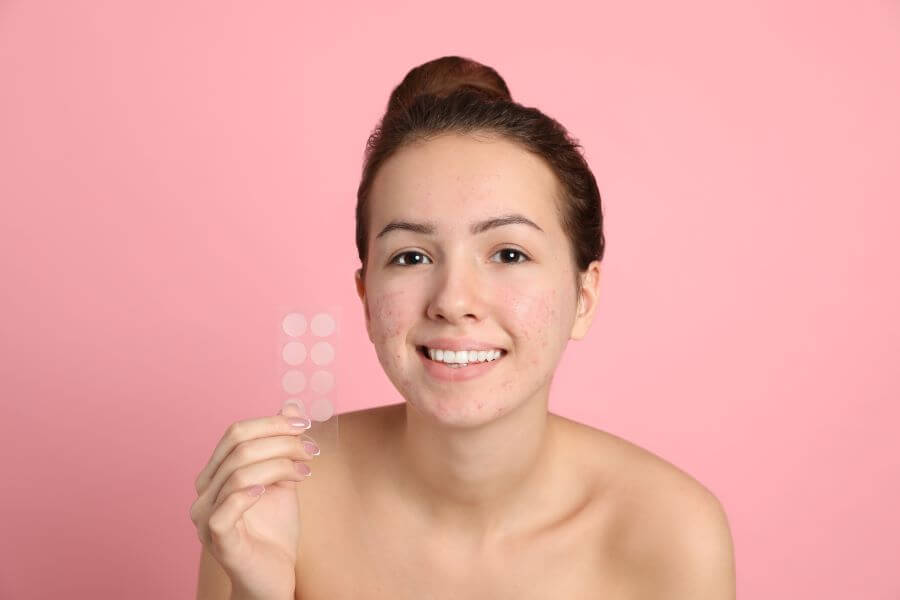
How are spots pimple patches used?
To apply a pimple patch, first cleanse your skin, and identify the target zit areas. Peel the patches gently and place them directly onto the spots. Leave the patches on for the recommended duration, then remove them carefully. Follow up with your regular skincare routine.
When should you use patches?
Hydrocolloid patches are designed to be used for the final stage of an inflamed pimple when a pus-filled top is visible. It is best to wait until the top opens up naturally and the pus flows out rather than squeezing the pimple, which can lead to further inflammation and scarring.
When the pore is open, it is more susceptible to bacterial infection, which can cause further damage. It is important to note that hydrocolloid patches should not be applied to inflamed papules without content, i.e., without a white tip, since the patch won’t have anything to absorb.
How do I choose the right acne pimple patches?
Remember to read the instructions on the packaging and follow them carefully for the best results. Ideally you want to test them out well before the wedding day.
- Identify Your Concerns: Different patches cater to specific areas, so knowing your target zones will guide you to the most effective solution.
- Check the Ingredients: Hyaluronic acid, retinol, tea tree oil, and collagen are some power players that can hydrate, plump, and promote elasticity. Avoid patches with harsh chemicals.
- Consider Patch Material: Silicone patches are popular for locking in moisture and encouraging collagen production.
- Assess Ease of Use: Some patches are designed for overnight use, while others can be worn during the day.
How are patches used in a skincare routine?
To use hydrocolloid patches, it’s important to start with dry and clean skin, as oil can interfere with their ability to stick to pimples. Also, avoid applying them over any toner or serum, as this can cause the patch to absorb these fluids instead of the pimple contents.
To avoid transferring moisture and grease from your fingers to the patch, it is recommended that you apply the patches using tweezers.
How long should the patch stay on the pimple?
For best results, leaving a pimple patch overnight or for 8-12 hours is recommended. Replacing the patch once it swells and fills with fluid is important. The patches should be used until a scab is formed and the inflammation and redness subside. However, leaving the patches on for too long is not recommended as they may stick to the skin and cause damage during removal.

Are there any side effects of using patches?
It does depend on your skin type and any reaction to the ingredients, and general advice would be to test prior to the big day. Plus be mindful of the following:
- Do not use it on damaged skin.
- Discontinue use and consult a doctor if the skin becomes red, swollen, or itchy during or after use.
- Avoid contact with eyes. If this happens, rinse immediately with water.
- Keep out of reach of children.
- Keep away from direct sunlight and from high and low temperatures.
What causes spots and acne?
Spots and acne can be caused by a variety of factors, including:
- Excess oil production: When the sebaceous glands produce too much oil, it can clog pores and lead to the formation of pimples.
- Bacteria: The presence of Propionibacterium acnes (P. acnes) bacteria on the skin can contribute to the development of acne.
- Hormonal changes: Fluctuations in hormone levels, such as during puberty, menstruation, pregnancy, or menopause, can trigger acne breakouts.
- Genetics: If your parents or siblings had acne, you may be more likely to develop it as well.
- Certain medications: Some medications, such as corticosteroids or birth control pills, can cause acne as a side effect.
- Diet: Some studies suggest that certain foods, such as dairy products and high-glycemic foods, may worsen acne in some individuals.
- Stress: Stress can trigger hormonal changes that may lead to acne flare-ups.
Conclusion
Do these pimple patches really work their magic? Absolutely! Consider them your personal skincare sidekick when you need a quick fix. It’s a simple peel, stick, and let the enchantment begin on clean, dry skin. Don’t forget that choosing the right patches is key. It will ensure a happily ever after without any unwanted surprises!