
 -lavender-fields-in-france-768x512.jpg 768w" />
 Ultimate Guide to Marrying in France
-

- June 21, 2024

Approximately 25% of weddings are destination weddings, with France being a top choice in Europe alongside Italy and Greece. That’s not a surprise to me, France is known for its romantic ambiance, exquisite cuisine, beautiful scenery and picturesque landscapes, warmer climate, and most importantly, love. Possibly one of the most romantic countries in the world, the French ‘joie de vivre’ makes it a remarkable place for couples looking to tie the knot in style.
It has several flight and train links to the rest of Europe and the UK, as well as internal flights from North to South that only take a few hours. This makes getting around quick and convenient which is essential when a large wedding party of family and friends are on their way.
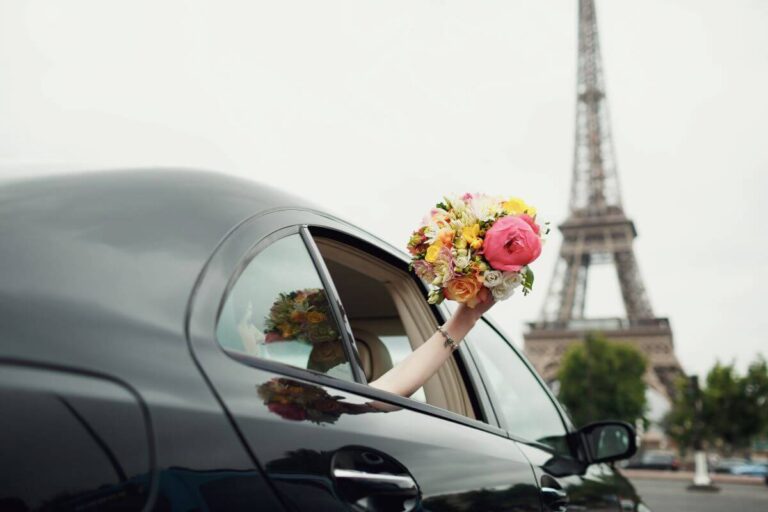
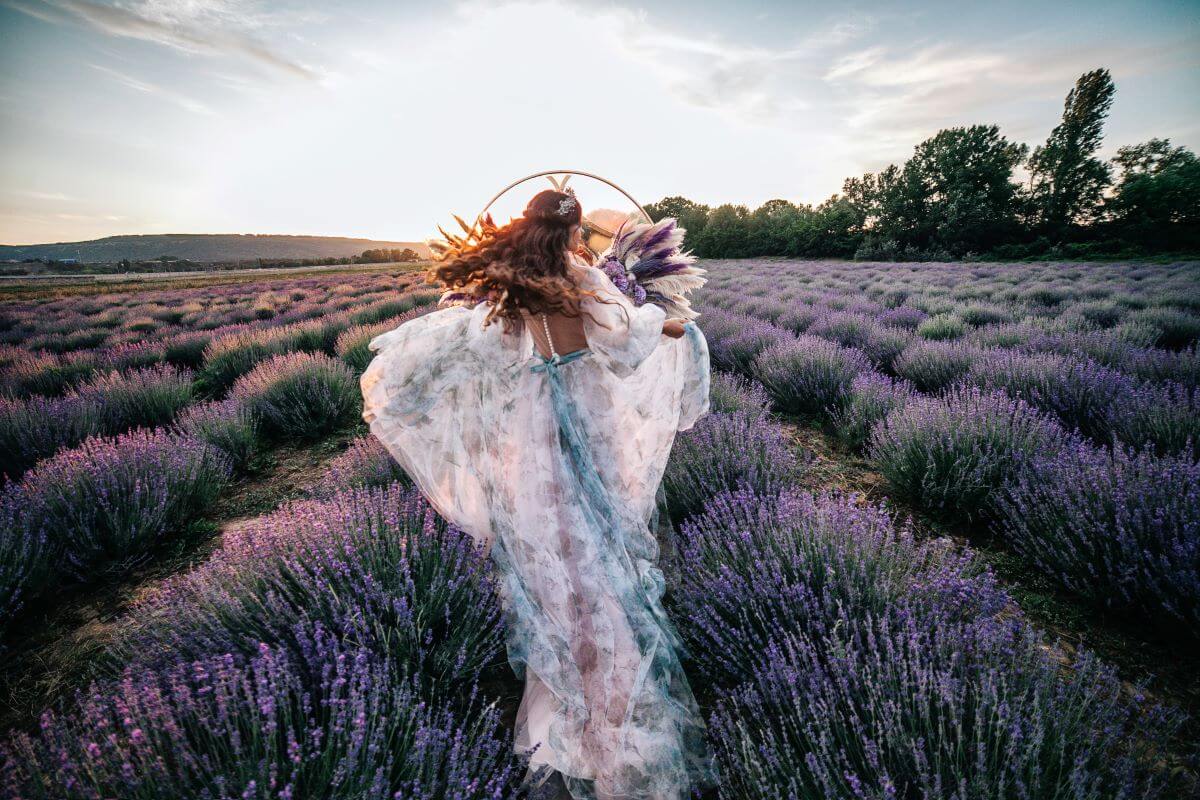
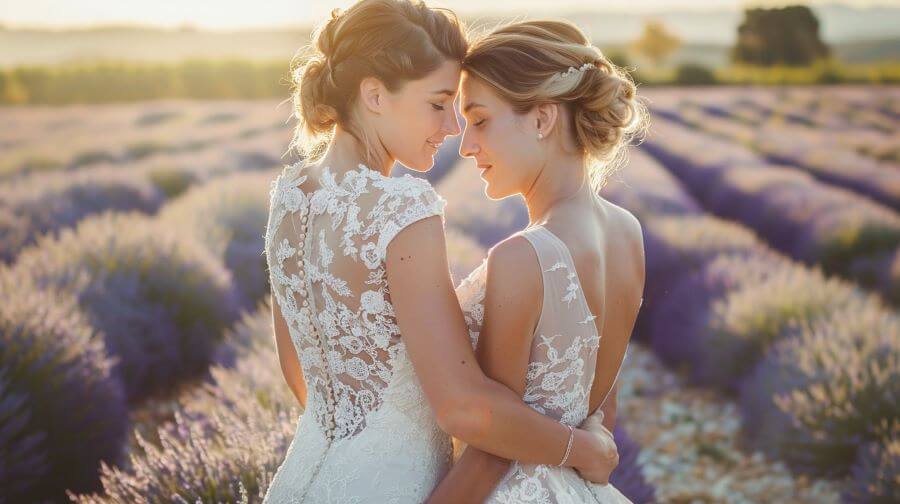
Paris the city of love, with its iconic landmarks such as the Eiffel Tower and the Seine River, offer a quintessential romantic setting. Regions like Provence and the French Riviera provide stunning backdrops with their lavender fields, vineyards, and Mediterranean beaches. There are many perfect locations suitable for a destination wedding. But how easy is it to get married here and what do you need to know to ensure your wedding goes without a hitch?
Legal Requirements and Paperwork
The easiest way to get married in France as a foreigner, is not to marry there at all. To officially marry in the country there are several complicated steps to take which are very difficult for foreigners.
The only recognised form of marriage in France is a Civil Ceremony and this also applies to same-sex marriages. In order to have one you will have to either prove your residency there or have resided in France for at least 40 days before the wedding, which is not possible for many. If you are able to prove this, you will need to obtain permission from the local town hall (Mairie) and ask the British Consulate to help you process your application.
All documents must be officiated by the Consulate and translated by a sworn translator from an approved list. The documents you may be asked to provide will include:
-
- Proof of address whilst in the 40-day residency period (proof of residence)
- Proof of your single status (Certificate of celibacy for non-French nationals)
- Certificate of Law for non-French nationals living in the UK
- Your passport
- Birth certificate
- A Solicitors certificate
- A death or divorce certificate if either of you have been married before.
In France, you must marry via a legally binding civil ceremony at the town hall before you can have a religious ceremony or celebrant service.
This can add a lot of stress and cost to your wedding planning and is therefore why many don’t choose this route. By far the easiest option is to marry via a Civil Service in the UK and have a second religious or celebrant service in France along with the rest of your celebrations.
A UK civil service is recognised in France and vice versa and many choose to keep the UK service a secret so that the celebrations in France feel like the official wedding ceremony when they exchange rings and vows in front of their loved ones. If you live outside of the UK, you should check if this applies to your home country.
If you choose to have a civil marriage in the UK first the only paperwork required will be your marriage certificate to prove the civil ceremony took place. This makes things a lot easier from an admin perspective.
My advice would be to marry in the UK first and save a lot of time and effort, which can be used in planning the rest of your celebrations to create the dream ceremony in France which is what you’ll remember fondly.

Venue Selection and Booking
Selecting a venue is likely to be the most difficult part of planning your wedding because there are so many to choose from. You will need to consider several factors such as how easy it is to get there, what the climate will be like and affordability. The type of ceremony will also lay it’s part.
Most importantly think about where you dreamt you would get married. For some, it’s a castle for others the beach, but both have their pros and cons.
Beach Venues
Pros
- Stunning views and therefore stunning photographs.
- The wedding is a holiday for everyone attending.
- Beach weddings tend to have a more relaxed and casual vibe.
Cons
- The weather on the coast can be unpredictable and often windy.
- Beach venues particularly in the the South can be a lot more expensive than elsewhere in the country.
- Logistically it may be more difficult for members of the wedding party to get to and photos on the beach after may not be possible for anyone with less mobility.
Castles/Chateaux
Pros
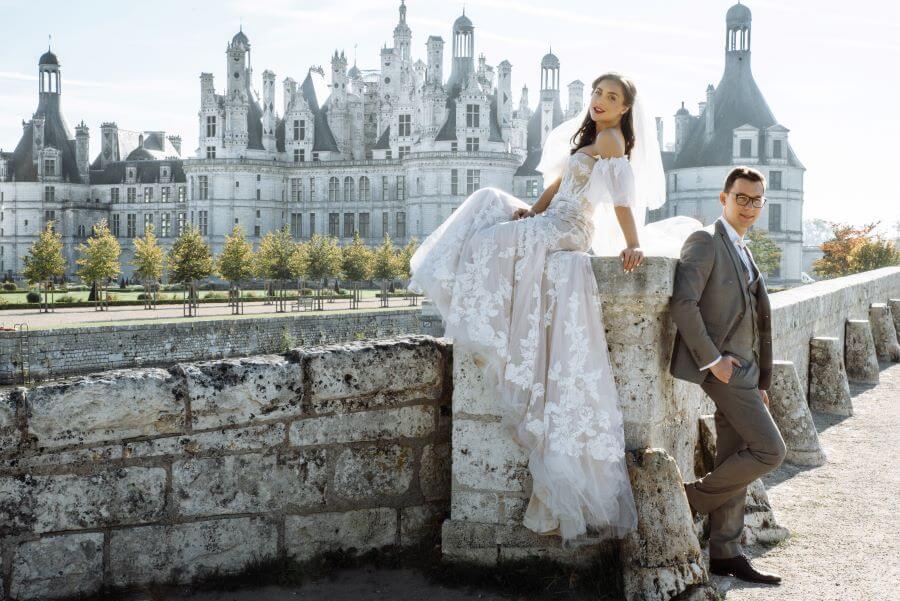
- France is the home of the Chateau and they are placed all over the country, enabling you to choose any location you wish.
- The beautiful architecture and surroundings provide a beautiful fairytale setting perfect for a romantic wedding.
- Many Chateaux provide comprehensive wedding packages that include catering, accommodation and event planning which is more convenient and can take a lot of stress out of planning a destination wedding.
Cons
- Hosting a wedding at a Chateau is expensive. The price of the full packages alongside other travel costs will quickly add up.
- Communication may be difficult with French-owned venues and getting updates, or using local vendors may be time-consuming.
- You may have accessibility issues for anyone with mobility impairments as these older buildings often lack lifts or ramps.

Lakes and Mountains
Pros
- Whether you marry at Lake Annecy or in the mountainous French Alps you can guarantee breath-taking scenery, picturesque views and a serene atmosphere.
- Lakeside or mountain venues provide a more tranquil setting away from the hustle and bustle of the city. This is great for couples who want a more relaxed and intimate atmosphere.
- These locations will provide many outdoor activities such as hiking, boating or skiing that you and your guests can enjoy before or after the ceremony.
Cons
- Outdoor weddings at lakes or mountains can be significantly affected by weather changes. You will need to ensure you have a backup area or suitable shelter in case the weather should suddenly turn.
- Travelling to these locations may be more difficult, especially for guests coming from afar. Often long drives are required from the airport to more elevated locations.
- Finding suitable venues to accommodate all your wedding needs may be difficult. There may be fewer choices for accommodation, reception spaces and local vendors. This can limit flexibility and require more detailed planning.
Vineyards
Pros
- You can find beautiful scenery with rolling hills and lush grapevines in Bordeaux, Burgundy or Provence which all provide the perfect setting for a romantic and elegant wedding.
- Many vineyards offer wine tasting and pairings for you and your guests enhancing your experience with gourmet food and drinks from the local area.
- Vineyards are typically situated in rural areas which provides a sense of privacy and allows for a more intimate wedding setting.
Cons
- Vineyards are best enjoyed in certain seasons, mainly late spring to Autumn when the grapes are in full bloom and the weather is pleasant. Outside of these times you may not capture the vineyards full beauty.
- As vineyards are more rural it can be harder to find the right amount of accommodation for your guests and will require careful planning to find convenient lodgings close by.
- While a wedding at a vineyard can offer a unique and beautiful experience it also comes with a higher price tag. The cost of renting the venue, catering and the wine will need to be considered to keep within your budget.
Paris
Pros
- Paris is the city of love and incredibly romantic. The iconic landmarks of the Eiffel Tower, Notre-Dame and Seine River create a magical and memorable place for any wedding.
- Paris is renowned for its exquisite cuisine and exceptional wines, hosting a wedding here allows you and your guests to dine in some of the finest restaurants and patisseries in the world.
- The city has numerous museums, galleries and historic sites that provide opportunities for unique wedding photos and also activities for you and your guests to enjoy.
Cons
- Paris is one of the most expensive cities in the world, venues, accommodations and other wedding services will cost you more here than anywhere else in France.
- Paris is a major tourist attraction and therefore can be very crowded with heavy traffic. Not ideal when you want to get your wedding shots in front of the Eiffel Tower. You will also need to factor in timings of your wedding allowing for guests who may be held up in traffic.
- Non-French speaking couples may find the French bureaucracy difficult. There will be certain stipulations around where and when you can hold a ceremony in the city, but having a wedding planner who speaks English and French will help you to understand this.
When booking a wedding at any of the locations we’ve mentioned you need to be mindful of a few last things;
- Ensure you understand the legal requirements for whichever way you choose to marry in France as well as any residency conditions.
- Clearly define your budget and keep track of all expenses, don’t forget about currency exchange rates.
- Be aware of and respect local customs and traditions. Incorporating some into your own wedding can make the experience feel more authentic and unique.
- Regularly communicate with your planner, venue and vendors to ensure everything is on track and any issues can be dealt with promptly.
- Lastly, you will most likely need to book your venue 1 to 2 years before your wedding date to secure the location you desire. Demand is extremely high and most venues will be booked up to at least a year in advance.

Wedding Planning and Coordination
Hiring a wedding planner can significantly ease the planning and coordination process of your French wedding for you and your partner. Finding a planner that is local to the venue you choose is preferable as they will have invaluable knowledge of the area, venue and local vendors. They will be able to help with any language barriers and French customs facilitating smooth communication on both sides.
Additionally, their established relationships with the venues and local vendors can often mean you receive better prices and preferential treatment. By managing all the logistics and timelines having a wedding planner allows you to focus on enjoying your special day without any of the stress of organising it.
If you choose to organise all the elements of the wedding yourself start planning well in advance. It will be useful to keep a record of all the contact details, costs and timings of each vendor involved. You can find online apps and planners that will help you do this. Remember to set regular reminders to check in with everyone involved for updates and efficient problem solving. It is of course possible and less costly to arrange your wedding in France without a planner, but be prepared to put in a lot of time and effort to ensure it all goes to plan.
Travel and Accommodation for Guests
When choosing a wedding venue in France its important to research the local accommodations and their costs. Look for Hotels, Bed & Breakfasts and rental homes such as those on Air BnB. A lot of hotels will offer group rates if you reserve several rooms at one time and this would simplify reservations for your guests and bridal party.
Its a good idea to set up an online page or website that your guests can use to find all the information they need to attend. Include detailed information on all travel options such as the nearest airports, train stations and car rental services.
Tell them what accommodation is available and ask them to confirm if they will book this themselves or if they want to be included in a group hotel booking.
You can also use the page to provide information on any attractions in the local area and around the venue so they can plan their trip and any places they wish to visit around your wedding day. It is worth encouraging them to arrive a few days earlier to make the most of the local sites and to familiarise themselves with the area before the big day.
Be mindful of the time of year that you have your wedding as the travel logistics for your guests may alter if it is peak tourist season, let them know of any changes or delays to times or services as soon as you can.
Cost and Budget Management
Planning a wedding in France involves various expenses that can quickly add up, here are a few that you need to be aware of:
- Venue Fees
- Catering
- Attire
- Photography and Videography
- Flowers & decorations
- Entertainment.
To manage these costs effectively, start by setting a clear budget and prioritise essential elements. The venue and catering is always going to cost more that the flowers or entertainment so make sure you set your budget accordingly. Using a wedding planner budgeting tool will help you keep track of these expenses and ensure you stay within your limits.
Don’t forget that as you will be paying in Euros you will also need to keep an eye on the exchange rate. Using a currency exchange service can help you monitor this and lock in any favourable rates and stop any potential currency fluctuations from affecting your budget.
Another factor to consider is whether you hire vendors in France of whether you bring them in from the UK. If you do your research or have the help of a wedding planner you should be able to find vendors that meet your criteria and needs in France but some do bring in specific vendors from the UK, particularly if they’ve set their heart on a specific photographer or band. You will have to consider the costs of doing this verse hiring someone already in France and you will also need to make sure it meets any legal requirements. Since Brexit, France has made changes to the rules around non residents working there, check what these are with a planner or the venue.
It’s no secret that weddings cost a lot of money and a destination wedding can be more expensive than if you did it at home. Here are some ways you can try to save money:
- Consider getting married in the off-peak season (November to March), or on a weekday rather than a weekend.
- Look for all inclusive wedding packages that can be more cost effective than booking services separately.
- Hiring local vendors can reduce travel and accommodation costs. They may offer more competitive rates than international suppliers
- Save money on stationary by sending digital invitations and RSVP’s.
- Choose simple decor that is in keeping with the beauty and surroundings of your venue.
Cultural Etiquette and Customs
A typical French wedding incudes an afternoon ceremony, followed by a Vin d’Honneur (a cocktail hour with Hors d’oeuvres), and then a multi-course dinner that will last into the evening. The speeches and dancing takes place in between courses and well into the early hours.
Unlike other international countries French weddings do not have a wedding cake but a Piece Montee sometimes known as a Croquembouche which is a tower of cream filled profiteroles, held together with caramel. Whilst you may be tempted to have a traditional wedding cake incorporating a Piece Montee is a great way to include a French tradition into your day.
Respecting French social norms is also essential, so I’ve written a dedicated guide to French wedding customs and etiquette. Ensure you are punctual and greet guests, especially elders formally. It is still traditional in France to kiss on both cheeks several times (La Bise) in greeting, even with strangers so don’t be surprised when you encounter this, it is part of the French charm!
Many venues will allow you to keep with the wedding traditions you prefer, but blending in a few French customs will add a unique and culturally rich experience to your day. Plus, serving genuine champagne is one I can get on board with.
Seasonal Considerations and Best Times to Marry
When planning your wedding in France you need to consider the weather and tourist seasons. The best months to marry are usually late spring (May and June) and early Autumn (September and October) when the weather is generally more pleasant and mild with less chance of rain. Avoiding the main summer months is advisable as it can be extremely hot especially further south.
However, these months do coincide with the peak tourist season, especially in popular destinations such as Paris, the French Riviera and Provence which can impact the availability and cost of venues and accommodation. Try considering less tourist- heavy locations if you can or a weekday wedding to avoid this, alternatively make sure you book well in advance.
Although a wedding in the winter months can be extremely magical especially in locations that usually have snow, don’t be convinced into thinking a winter wedding in the French Alps will be cheaper. The snowy season is the peak time for tourists on skiing or snowboarding holidays and accommodation is usually fully booked.
Choosing the perfect date really comes down to a few things, your vision for the wedding, the comfort of your guests and the weather. Communicate with your guests early about the date and allow plenty of time for travel arrangements.
Honeymoon Destinations
After the wedding there are a number of excellent places within France to visit and enjoy your first few days as newlyweds or for the duration of your honeymoon.
If you and your spouse enjoy the beach cities such as Nice, Cannes and St-Tropez boast luxurious resorts, beautiful beaches and a lively atmosphere. Hiring a car will allow you to enjoy a scenic drive along the stunning coast line or alternatively take a boat trip on the Mediterranean Sea.
If you prefer a more tranquil honeymoon as married couple then head to the Provence where you will find charming villages, lavender fields and vineyards.
When in France try to visit the city of love in Paris, you can easily fill a few days by strolling along the Seine River or visiting world famous museums such as Le Louvre. Of course top of your list should also be a visit to the Eiffel Tower and the Notre Dame Cathedral.
If city breaks are not your thing, then the beautiful castles and winding rivers of the Loire Valley may interest you more or the Alsace region further north with its medieval towns and renowned wines will allow you to experience the culture away from the normal tourist areas.
Whatever your preference France provides a diverse number of destinations and activities to create a memorable honeymoon. Each region has a unique charm with plenty of attractions that cater to different tastes, you will want to visit them all.